
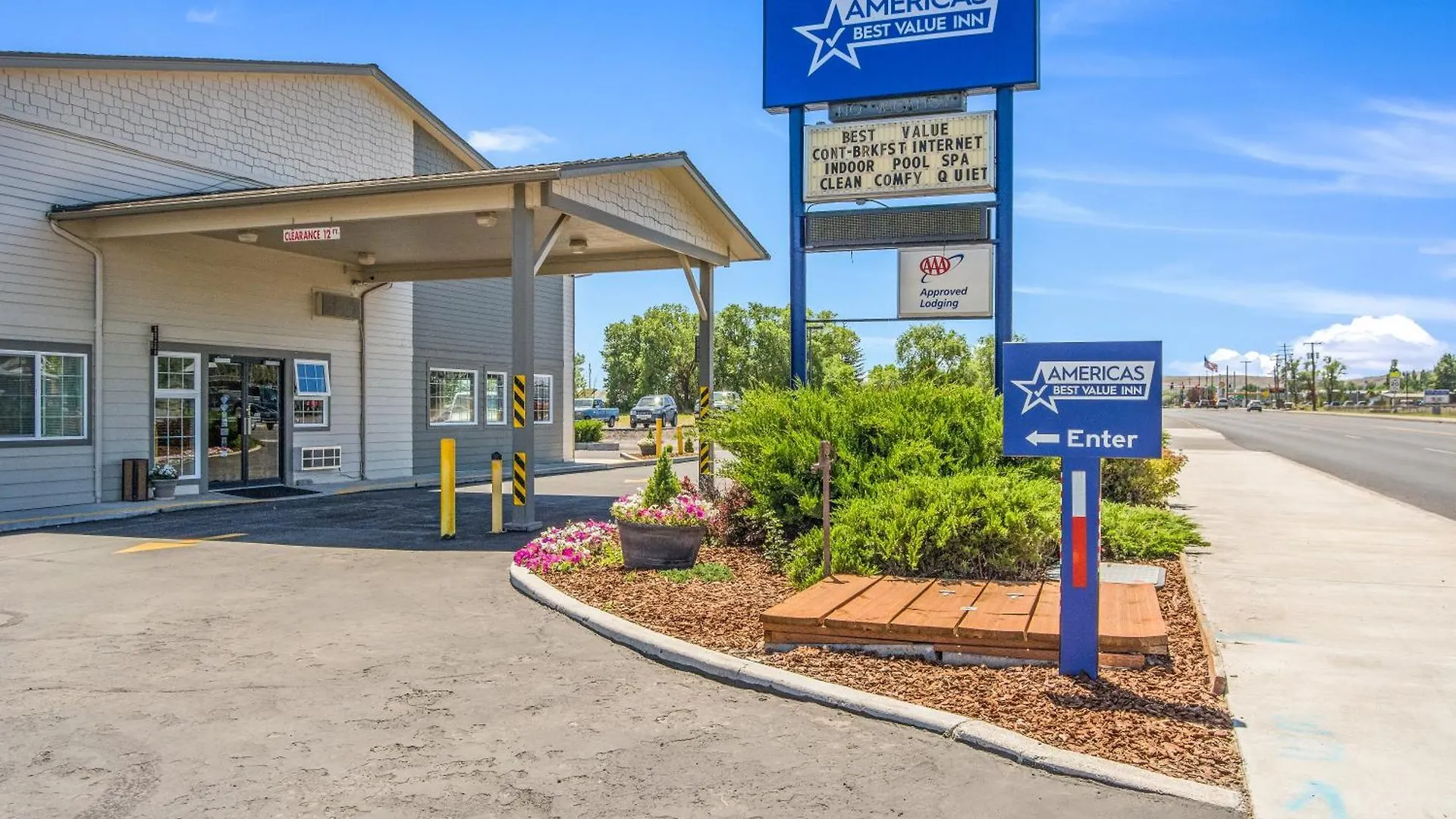
Oregon's historical lodging scene stretches from the high desert of Harney County to the Columbia River Gorge, placing guests within reach of landmark museums, wine country backroads, and frontier-era trade routes. These four properties anchor themselves in historically significant corridors - Burns, The Dalles, Woodburn, and The Dalles area - each offering a gateway to Oregon's layered past without sacrificing modern practicality.
What It's Like Staying in Oregon
Oregon is a state where geography dictates the travel rhythm: the Cascade Range splits the coast's wet temperate climate from the arid high desert east, meaning your lodging location directly shapes your daily experience. Driving is non-negotiable in most of Oregon outside Portland - distances between attractions regularly exceed 60 miles, and public transit is nearly absent in rural counties like Harney. Crowd patterns are highly seasonal, with summer bringing peak traffic to the Columbia River Gorge and the Willamette Valley wine corridor, while eastern Oregon remains largely uncrowded year-round.
History runs deep here - from the Oregon Trail's end points in The Dalles to the Bannock War sites near Burns - making the state genuinely rewarding for travelers seeking cultural and historical depth, not just scenery.
Pros:
- Exceptional historical density along the Columbia River corridor and eastern Oregon desert
- Lower accommodation costs compared to Pacific Northwest urban centers like Portland or Seattle
- Access to world-class natural landmarks - Crater Lake, Painted Hills, Columbia River Gorge - within a day's drive
Cons:
- Car dependency is absolute outside Portland; no train or bus connections between rural historical sites
- Eastern Oregon towns have limited dining options, especially outside standard hours
- Wildfire smoke can significantly reduce visibility and outdoor enjoyment during late summer
Why Choose Historical Hotels in Oregon
Historical hotels and historically situated properties in Oregon tend to position guests near the state's most significant cultural landmarks - Oregon Trail interpretive sites, Lewis and Clark corridors, and frontier-era commercial hubs - rather than in generic suburban hotel districts. Rates at these properties run around 30% lower than comparable Portland urban hotels, making them practical bases for itinerary-driven travelers. Room sizes at Oregon's historically positioned motels and inns are generally larger than boutique city counterparts, though design leans toward functional over atmospheric - expect solid amenities over curated heritage aesthetics in most cases.
The key trade-off is accessibility: most historically significant sites require a car, and properties in towns like Burns or The Dalles are not walkable destinations but rather staging points for wider regional exploration.
Main advantages of this hotel category here:
- Proximity to Oregon Trail, Columbia Gorge, and frontier-era museums without paying Portland city prices
- Larger standard room footprints with practical amenities suited to multi-day road trip itineraries
- Quieter surroundings compared to urban Oregon, with genuine access to the state's historical interior
Main trade-offs in this specific zone:
- Heritage ambiance is limited - most properties are modern constructions near historical sites, not restored historical buildings
- Dining on-site or nearby can be restricted to a single restaurant or fast food in smaller towns
- Late-night activity and entertainment are essentially absent in rural eastern Oregon towns
Practical Booking & Area Strategy
For travelers following the Oregon Trail corridor, The Dalles is the strategic anchor - sitting at the historic end point where pioneers left the trail for the Columbia River, it also connects travelers to the Columbia Gorge Discovery Center, Maryhill Museum, and the scenic Historic Columbia River Highway within a single driving day. Woodburn, positioned just south of Portland, is the most transport-connected option and serves travelers combining Willamette Valley wine country with Oregon Gardens or the outlets, all within around 30 minutes of downtown Portland. Burns is Oregon's most isolated historical base, suited exclusively to travelers targeting Malheur National Wildlife Refuge, the Harney County Historical Museum, or Steens Mountain - book early in summer since the town's limited lodging sells out faster than its rural character suggests. Peak season runs June through September across all four locations; booking at least 6 weeks ahead is advisable for summer stays, particularly in The Dalles where Gorge tourism creates real demand pressure.
Best Value Stays
These properties deliver strong practicality for budget-conscious travelers exploring Oregon's historical corridors, with competitive pricing and essential amenities that support multi-day itineraries across the state's rural interior.
-
1. Americas Best Value Inn Burns
Show on map


 Check-infrom 14:00 until 23:00Check-outuntil 11:00
Just a few rooms left at the best rate!
fromUS$ 90
-
2. La Quinta By Wyndham Woodburn
Show on map


 Check-infrom 15:00 until 23:59Check-outuntil 11:00
Just a few rooms left at the best rate!
fromUS$ 96
Best Premium Stays
These properties offer elevated amenities and stronger positioning near Oregon's major historical and cultural draw points, with facilities that justify the additional nightly investment for travelers seeking more comfort on their historical itinerary.
-
3. Cousin'S Country Inn
Show on map


 Check-infrom 16:00 until 23:59Check-outuntil 11:00
Hurry – almost gone at this price!
fromUS$ 99
-
4. Fairfield By Marriott The Dalles
Show on map


 Check-infrom 15:00 until 23:59Check-outuntil 12:00
Rooms filling fast – secure the best rate!
fromUS$ 129
Smart Travel & Timing Advice for Oregon
Oregon's historical hotel corridor operates on a sharply defined seasonal curve. June through August brings peak demand across all four locations - The Dalles and the Columbia Gorge see the sharpest price increases as Gorge tourism, wind sports, and summer road trips converge simultaneously. Burns and eastern Oregon peak later in summer, driven by wildlife refuge visitors and Steens Mountain trekkers, but the town's limited room inventory means availability disappears fast regardless. September is arguably the best month for historical travel in Oregon: crowds thin, wildfire smoke risk begins declining, and temperatures remain manageable for outdoor site visits. For Woodburn and the Willamette Valley corridor, late September through early November aligns with Oregon wine harvest season - culturally rich but also noticeably busier than mid-summer. Book at least 5 weeks in advance for any summer stay; last-minute availability in rural Oregon towns like Burns is genuinely scarce. Winter travel to eastern Oregon is possible but road conditions on routes to Steens Mountain and Malheur can close without warning, making fall the safer window for first-time visitors to the high desert historical corridor.


